FilmmakingMay 10, 2026·11 min read
Shooting a Travel Vlog Solo: My Actual Setup
Two cameras, one drone, zero crew. What I carry, what I've stopped carrying, and the shots I always get first.
Two cameras, one drone, zero crew. What I carry, what I've stopped carrying, and the shots I always get first.

The biggest trap of solo travel content creation is overpacking gear. When you are navigating international transit, managing hotel logistics, and trying to stay present in a new city, a heavy camera bag becomes a major liability.
After thousands of miles on the road, my production philosophy has shifted from cinema level overkill to maximum mobility. My current formula relies on absolute efficiency: two cameras, one ultra portable drone, and zero crew.

Your primary camera does not need to be a massive, intimidating mirrorless rig. In fact, my entire channel runs on the iPhone 17 Pro. With its advanced triple lens system and professional cinematic video modes, it delivers incredible dynamic range and deep color accuracy right out of your pocket. The computational action stabilization is so advanced that it completely eliminates the need for a heavy electronic gimbal.
Shooting in high quality log profiles allows me to color grade the footage later to look exactly like an expensive cinema camera, without any of the physical bulk. For fast deployment, I pair the phone with a rugged action camera tucked into my jacket pocket. This gives me a quick, secondary way to capture transition b roll, high speed transit shots, or unique POV perspectives while keeping my primary phone free for navigation or quick photography.
For aerials, the DJI Neo 2 is an absolute game changer for solo filmmakers. This ultra lightweight, palm sized drone can be launched directly from your hand in seconds without a complex controller setup. Its autonomous AI tracking modes mean I can set it to follow me automatically while I walk through a scenic landscape, effectively acting as my invisible camera crew. It delivers stunning 4K aerial footage while taking up virtually zero space in my daily backpack.

@andreayanezh Everything I filmed with this week fits in one pocket. Two cameras, one drone, no crew.
View on Instagram →
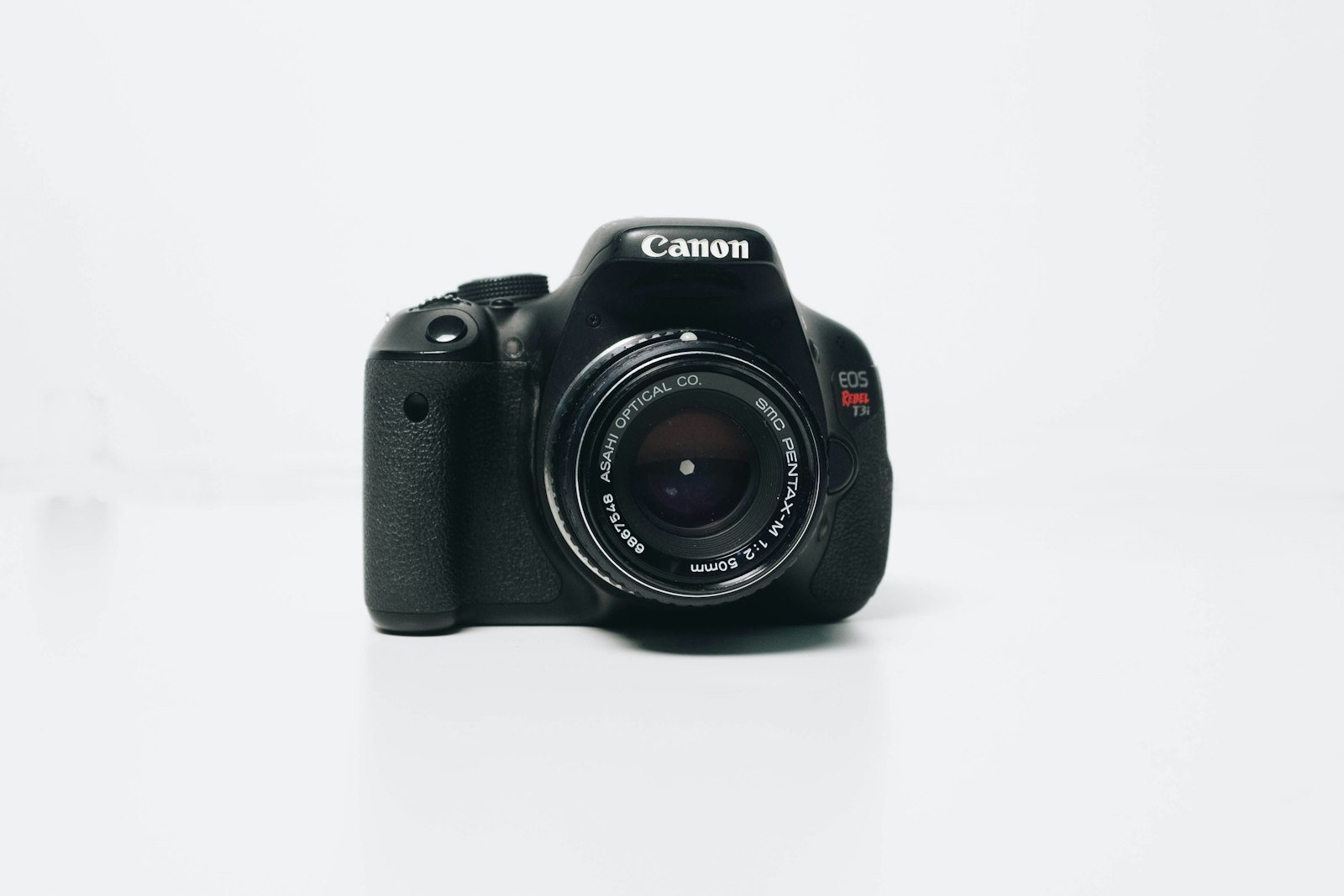
Through trial and error, I completely removed heavy studio tripods, bulky camera bodies, and multiple heavy lenses from my travel inventory. They simply take too long to set up when you are moving quickly through a city.
Instead, I use a premium carbon fiber pocket tripod that fits into a small pouch, alongside a reliable wireless clip on microphone setup with built in wind protection. Remember, clear audio is 50 percent of the viewing experience, and a small wireless mic makes a massive difference.
To capture natural footage without looking like a massive tourist spectacle, you must learn to blend into your surroundings. When shooting third person perspective shots of yourself walking through a scenic alley, set your phone down on a stable flat surface or a low profile magnetic mount. Walk past the frame naturally, return to retrieve your phone, and keep moving.
Always capture three distinct angles for every scene you want to build in your edit: an ultra wide establishing shot to set the location, a medium action shot showing your movement, and a tight macro detail shot to capture the texture of the environment. This simple formula gives you all the pacing options you need in the editing room to tell a compelling, fast moving story.