MoneyMay 28, 2026·6 min read
The Blue Dollar Playbook for Argentina
How to bring cash, where to change it, and why your card quietly doubles your spend if you don't.
How to bring cash, where to change it, and why your card quietly doubles your spend if you don't.
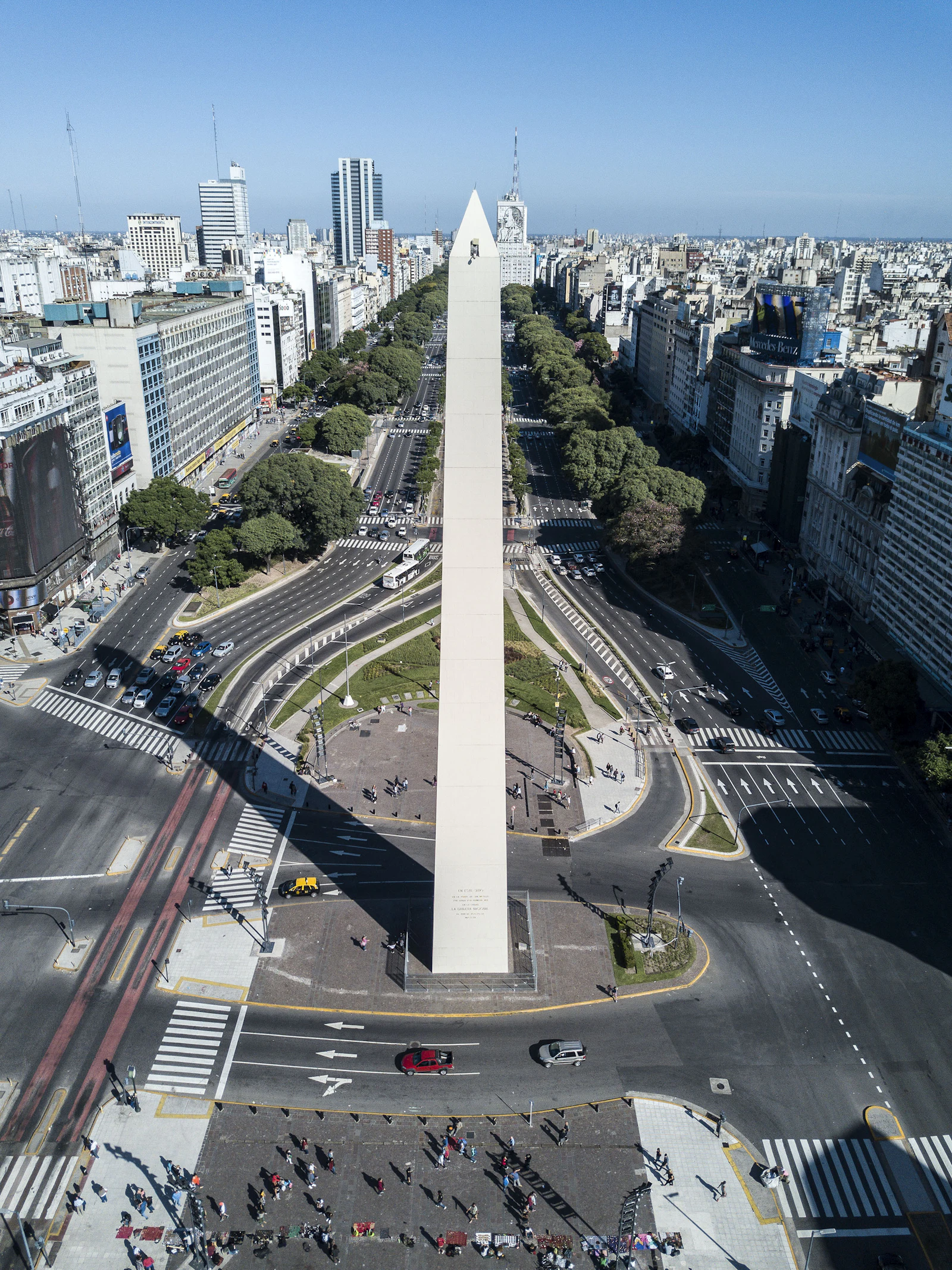
Landing in Argentina for the first time can feel like stepping into an alternate financial universe. For decades, the country has navigated a complex economic landscape marked by inflation and currency controls. This environment gave birth to a parallel financial system that every traveler must understand to survive.
If you rely purely on your international credit cards or standard bank ATMs like you would in Europe or the United States, you will end up paying nearly double for almost everything. To maximize your travel budget and stretch your funds, you need to master the unofficial currency market, locally known as the Dólar Blue.

While the Argentine government has introduced preferential exchange rates for foreign credit cards, known as the MEP rate, physical cash remains the ultimate leverage for everyday travel.
When planning your trip, the first rule is to bring pristine bills. You should stock up on crisp, unblemished 100 USD bills before leaving home. High denomination notes receive a significantly better exchange rate in Argentina than 20 or 50 USD bills. Any tear, ink mark, or heavy fold can cause a financial house to reject the bill outright or lower its value significantly.
Locating a cueva is your next step. Unofficial exchange houses operate openly across major cities. In Buenos Aires, Calle Florida is the famous central hub where individuals shout cambio, cambio all day long. While this street market is popular, it is often much safer and more comfortable to ask your accommodation host or a trusted local for a recommendation to a brick and mortar indoor cueva. This provides a secure environment to count your bills away from the busy street crowds.
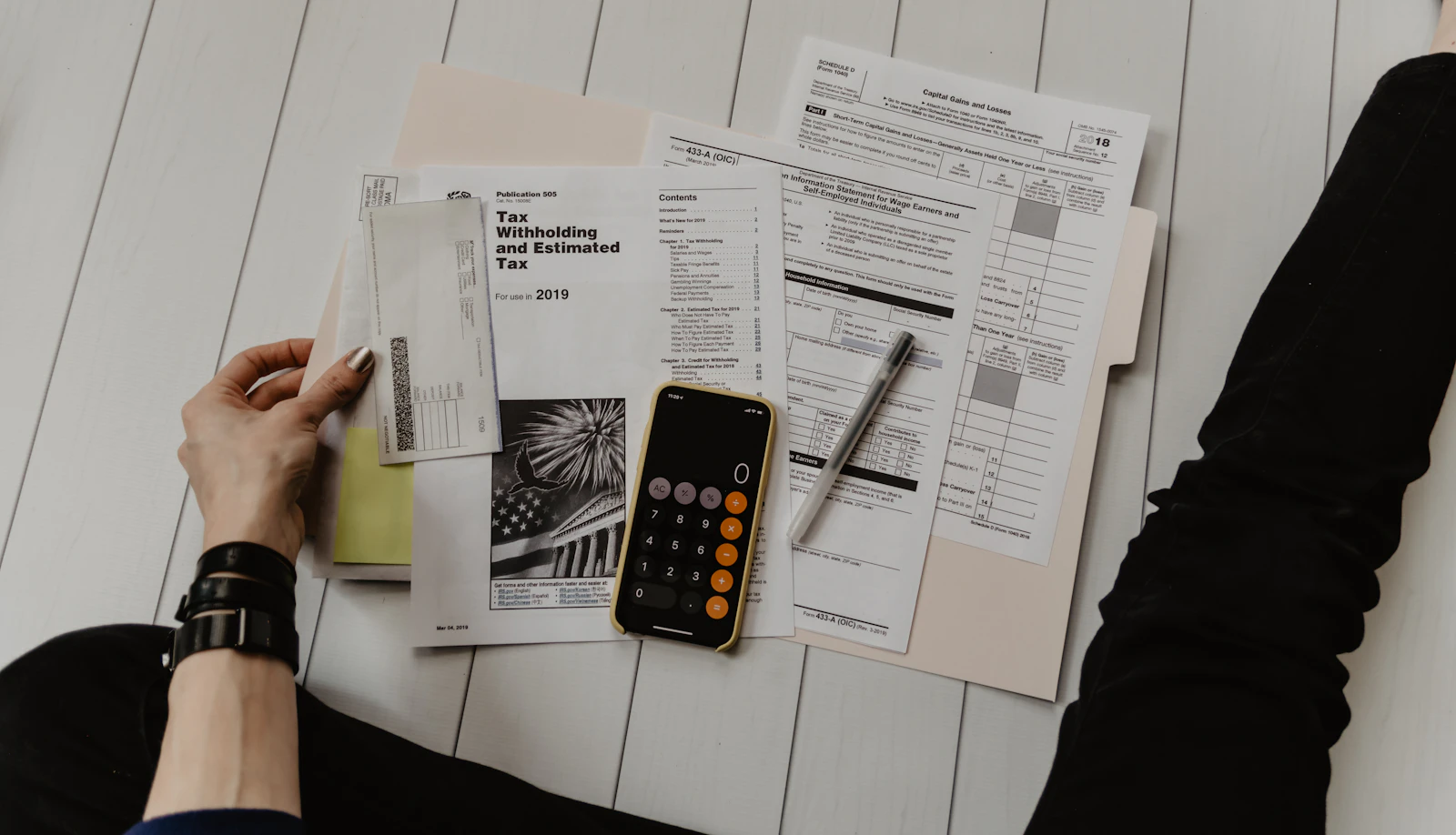
If you do not want to travel with thousands of physical dollars in your luggage, Western Union is your best friend. The platform tracks very closely to the Dólar Blue rate, allowing you to send money to yourself via their mobile app and pick up local pesos at a designated branch in Argentina.
However, timing matters immensely. Western Union offices in major cities like Buenos Aires or Bariloche face long lines and frequently run out of physical cash by mid afternoon. Aim to visit early in the morning and be prepared for a wait. Always bring your physical passport, as digital copies or driver's licenses are not accepted for cash collection.

Foreign credit cards now automatically apply the MEP rate, which saves you from carrying massive bricks of cash for large purchases like boutique hotels or high end dinners. Still, always keep cash on hand. Many local restaurants, taxis, and artisan street markets operate on a cash only basis or offer steep discounts, sometimes up to 15 percent off, if you pay in physical paper.