Cruise & Sea TravelOctober 13, 2026·4 min read
How I Survived Seasickness on a Bahamas Cruise
Real-world advice on managing seasickness, staying comfortable, and enjoying open-ocean cruises.
Real-world advice on managing seasickness, staying comfortable, and enjoying open-ocean cruises.
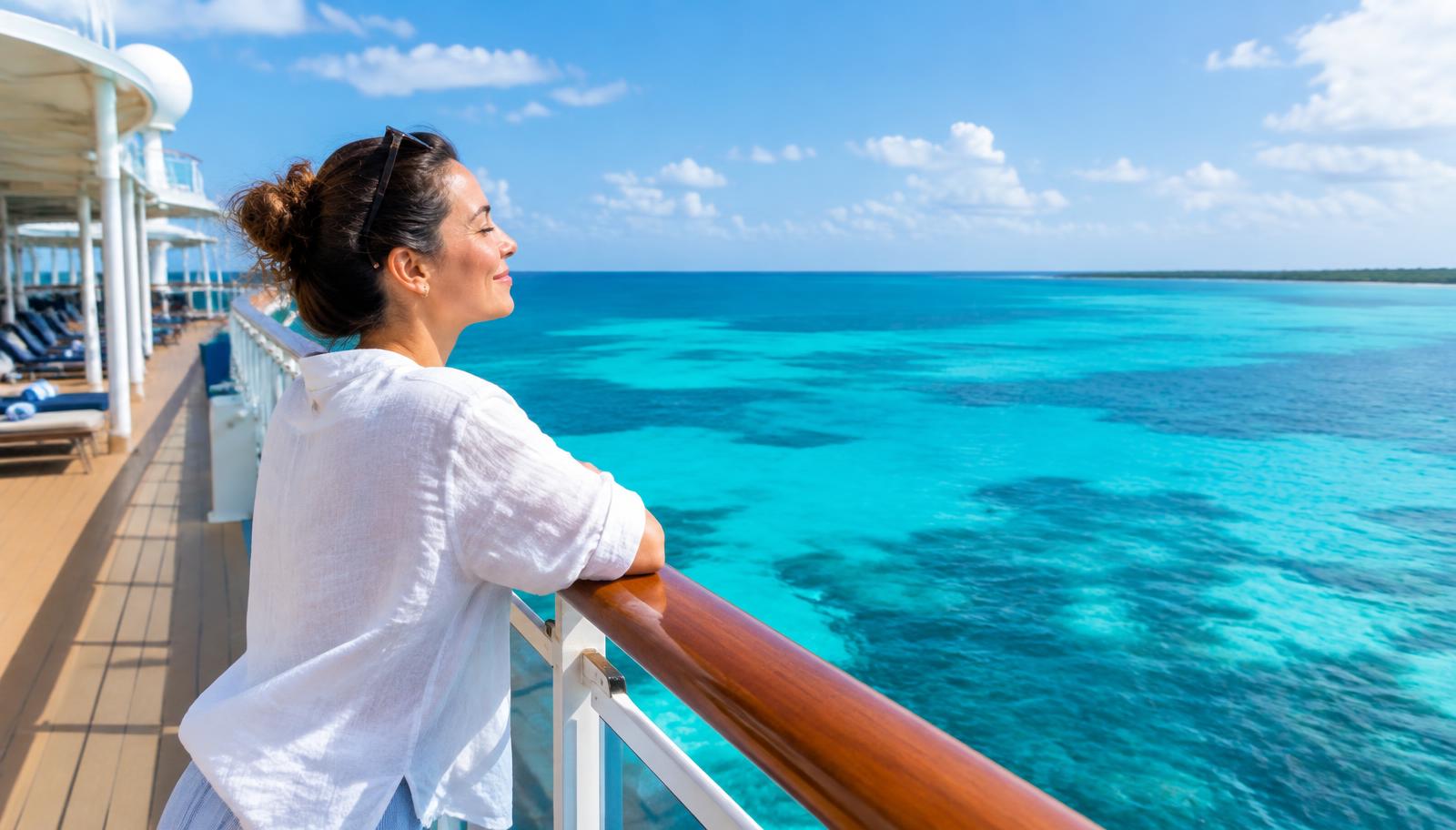
A Caribbean cruise to the Bahamas is filled with clear waters and beautiful island stops, but open-ocean swells can occasionally trigger seasickness. Here is how I managed seasickness on my cruise and kept my trip on track.
Apply Motion Sickness Patches Early: Apply a scopolamine patch behind your ear a few hours before the ship sets sail, rather than waiting until you feel sick.
Get Free Pills from Guest Services: If you forget medication, visit the ship's Guest Services desk or medical center. Most cruise lines hand out complimentary motion sickness tablets (such as Meclizine) upon request.
Head Deck-Side for Fresh Air and Horizon Views: Sitting in an enclosed cabin can worsen nausea because your eyes see a stationary room while your inner ear senses movement. Go out on deck, feel the fresh air, and look at the fixed horizon.
Order Green Apples and Ginger Tea: Green apples and fresh ginger tea are natural remedies that help settle an upset stomach. You can easily order them from cruise room service.
Yes, almost all major cruise lines provide free motion sickness medication at the Guest Services desk, and additional options are available in on-board shops or medical centers.
Most travelers adapt to the movement of the ship within 24 to 48 hours as their inner ear adjusts to the motion.