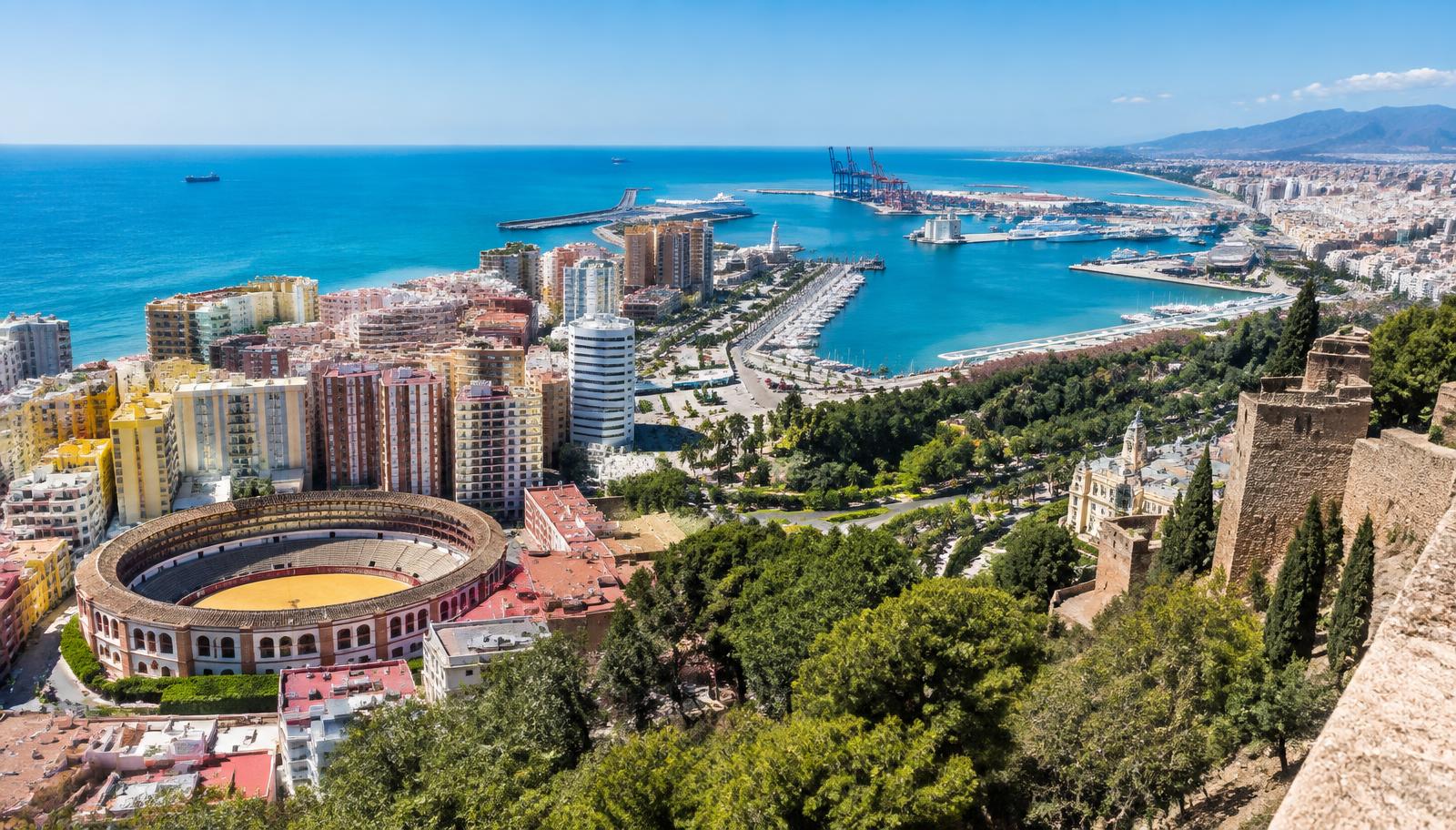
Skyline and streets of Málaga, Spain

Málaga Travel Guide 2026: Alcazaba, Picasso, Beaches and Day Trips

Spain

Back to All Destinations

Overview

First Impressions

Málaga has everything in a small space: a Moorish fortress, a Roman theatre, Picasso's birthplace, excellent museums, a beach 10 minutes' walk from the cathedral and more than 300 days of sun a year. For years people only passed through on their way to the Costa del Sol, but today it's one of the most popular cities in Spain, so it gets busy, especially when cruise ships are in port. Keep in mind that the center is very walkable, but the best viewpoint, Gibralfaro, is a steep climb.

History & How Long to Stay

The Phoenicians founded Malaka around 770 BC, making it one of the oldest cities in Europe. The Romans left the theatre at the foot of the Alcazaba, rediscovered only in 1951. During almost eight centuries of Muslim rule, the city's rulers built the Alcazaba in the 11th century and the Gibralfaro castle in the 14th. In 1487 the Catholic Monarchs took Málaga after a long siege. The cathedral was built between 1528 and 1782 but was never finished: one of its two towers is missing, so locals call it "La Manquita", the one-armed lady. Pablo Picasso was born here on 25 October 1881, on Plaza de la Merced. In the 2000s the city reinvented itself with the Picasso Museum (2003), the Centre Pompidou Málaga (2015) and a renewed port.

How long to stay: 2 to 3 days, plus a day for the Caminito del Rey or Nerja.
Last updated: October 2026

Quick Facts

Everything at a glance

Population
About 590,000
Currency
Euro (EUR)
Airport
Málaga-Costa del Sol (AGP), 8 km southwest
Ride apps
Uber, Cabify and Bolt
Best time
March to June and September to November
Known for
Picasso, the Alcazaba, beaches and espetos (grilled sardines)

Location

On the map

On the Mediterranean coast of Andalucía, at the center of the Costa del Sol. Córdoba is about 1 hour by high-speed train, Seville about 2 hours and Granada about 1.5 hours by bus.

Budget

What a day actually costs

Per person, per day (October 2026).

BackpackerMid-rangeComfort
Accommodation€30–45 (≈ USD 34–51)€80–130 (≈ USD 90–145)€200+ (≈ USD 225+)
Food€25 (≈ USD 28)€50 (≈ USD 57)€90 (≈ USD 100)
Transport€5 (≈ USD 6)€15 (≈ USD 17)€40 (≈ USD 45)
Activities€15 (≈ USD 17)€35 (≈ USD 40)€90 (≈ USD 100)
Daily totalabout €85 (≈ USD 95)about €200 (≈ USD 225)about €420 (≈ USD 475)

A plate of espetos (sardines grilled on a skewer over the fire on the beach) costs €5–8, and a coffee €1.50–2.50. In Málaga, order your coffee by the local names: a "mitad" is half coffee, half milk.

Things to Do

What earned its place

Alcazaba and Roman Theatre — Málaga, Spain

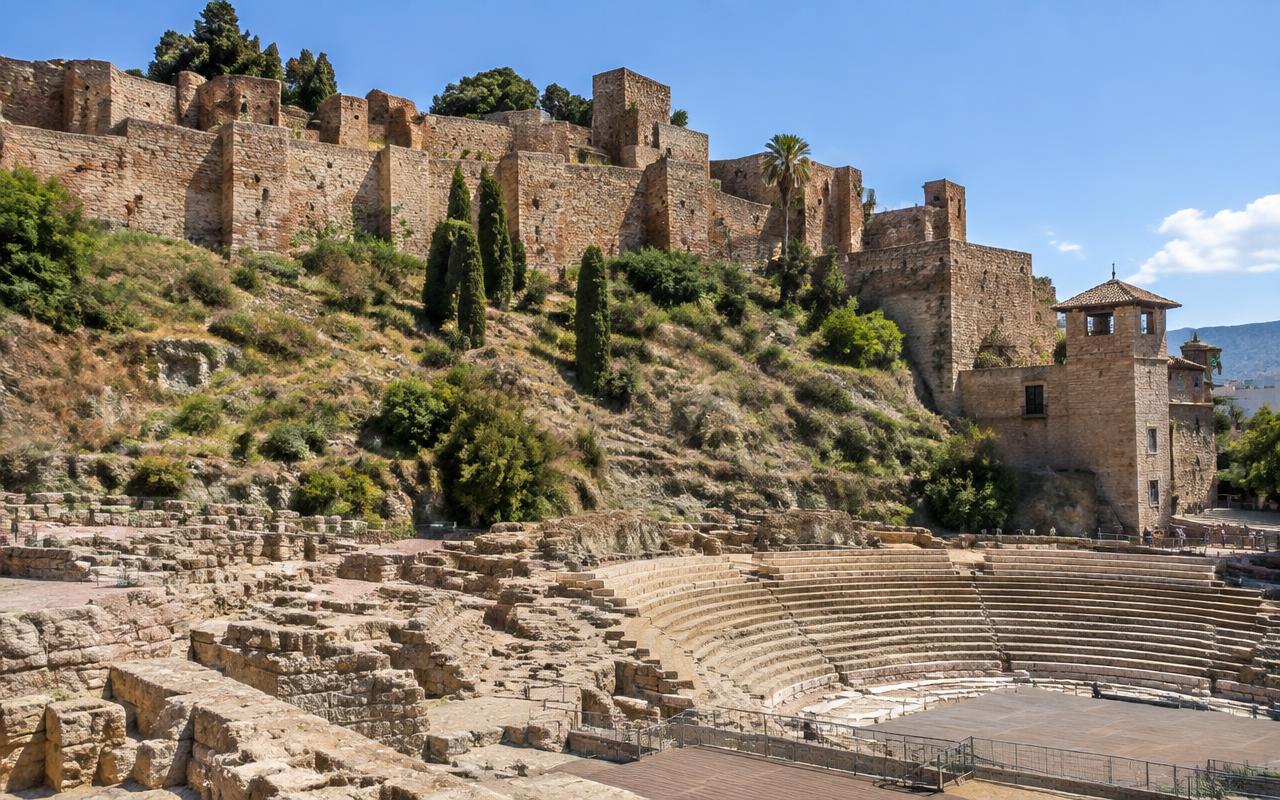
The Alcazaba is an 11th-century Moorish palace-fortress climbing the hill above the port, with courtyards, fountains and gardens that look like a smaller Alhambra. At its foot, the Roman Theatre from the 1st century BC was hidden under buildings until 1951.

Price: Alcazaba €7 (≈ USD 8), combined with Gibralfaro €10 (≈ USD 11); Roman Theatre free · Hours: 9:00–20:00 from April to October, until 18:00 the rest of the year · Time needed: 1.5 hours.

Gibralfaro Castle — Málaga, Spain

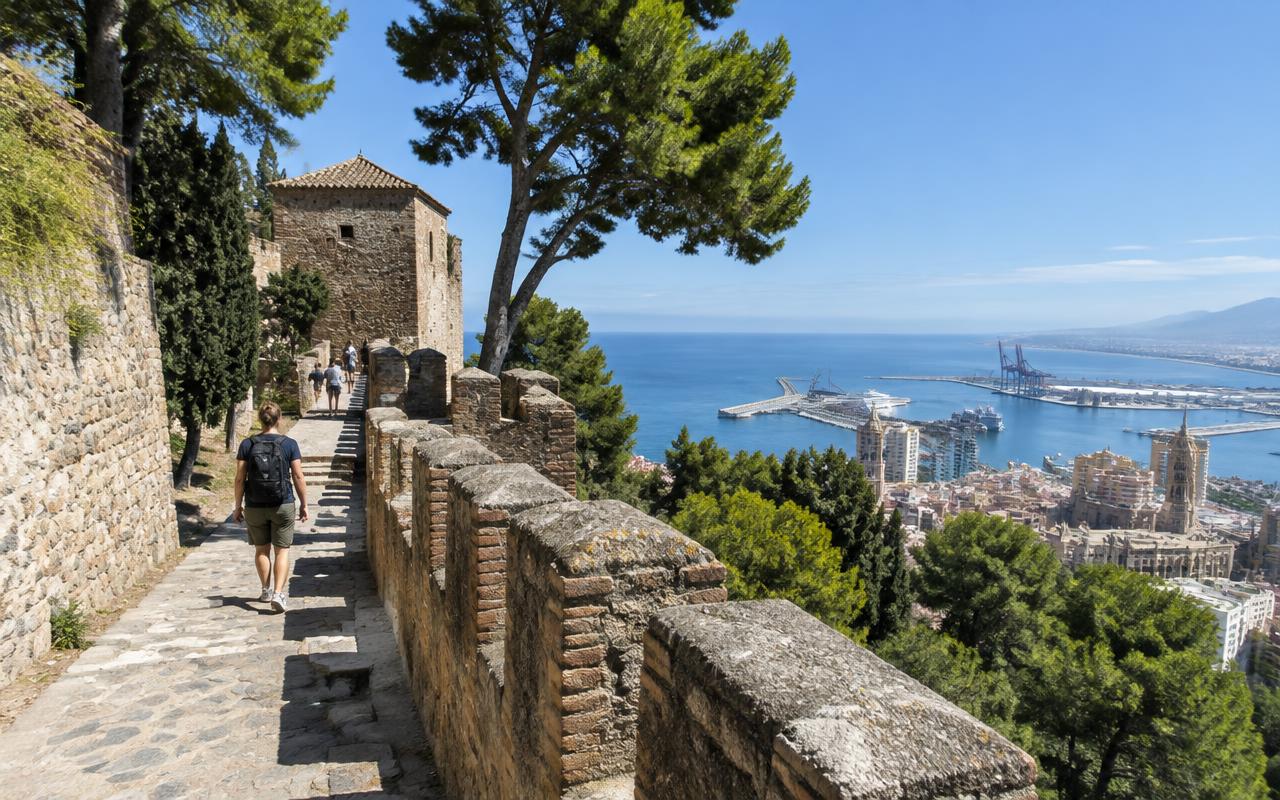
A 14th-century castle at the top of the hill, built to protect the Alcazaba, connected to it by a double wall. The walk along its walls has the best view of Málaga: the port, the bullring, the cathedral and the coast.

Price: €7 (≈ USD 8), or €10 with the Alcazaba · Tip: the walk up is steep and hot; take bus 35 up and walk down for sunset.

Picasso Museum — Málaga, Spain

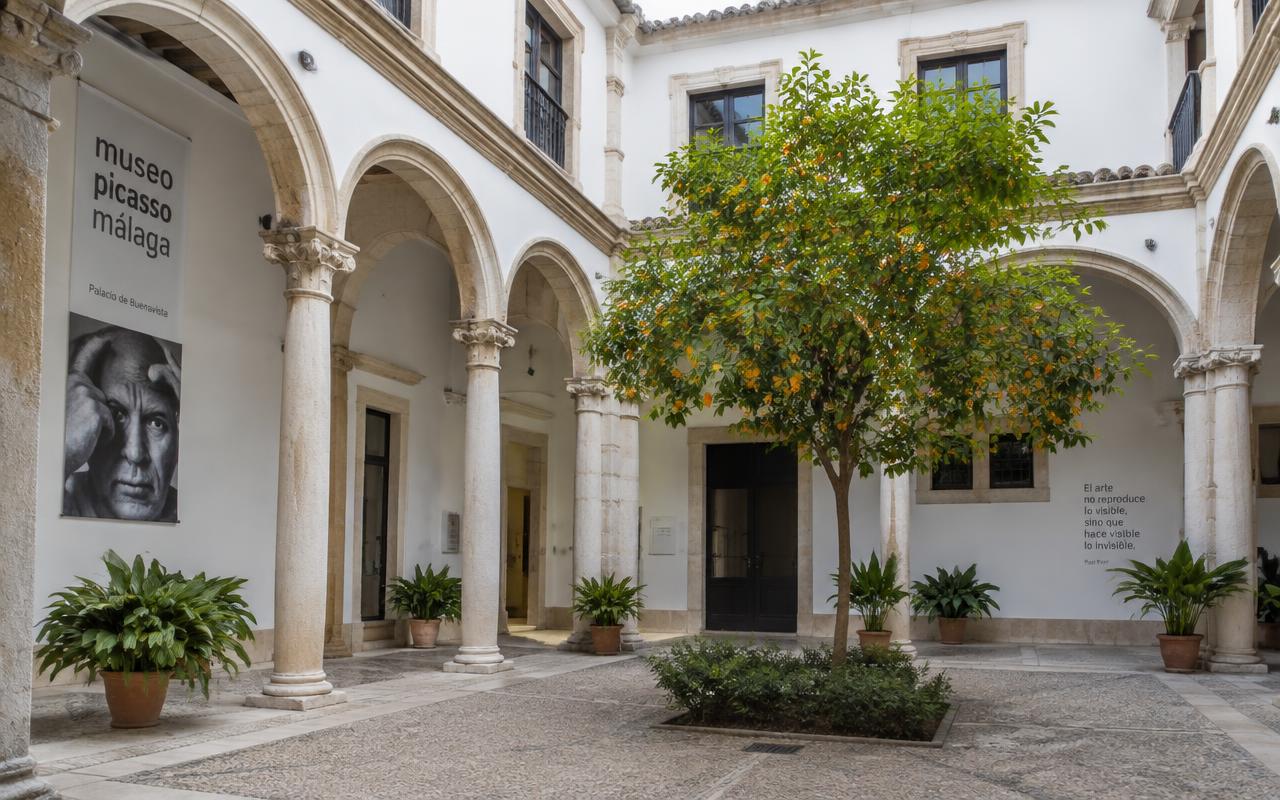
More than 200 works by Picasso, donated by his family, in the 16th-century Palacio de Buenavista. Nearby on Plaza de la Merced, his birthplace (Casa Natal) shows his early years and family objects.

Price: €13 (≈ USD 15); free during the last two hours on Sundays; Casa Natal small fee · Hours: daily from 10:00 · Time needed: 2 hours.

Málaga Cathedral — Málaga, Spain

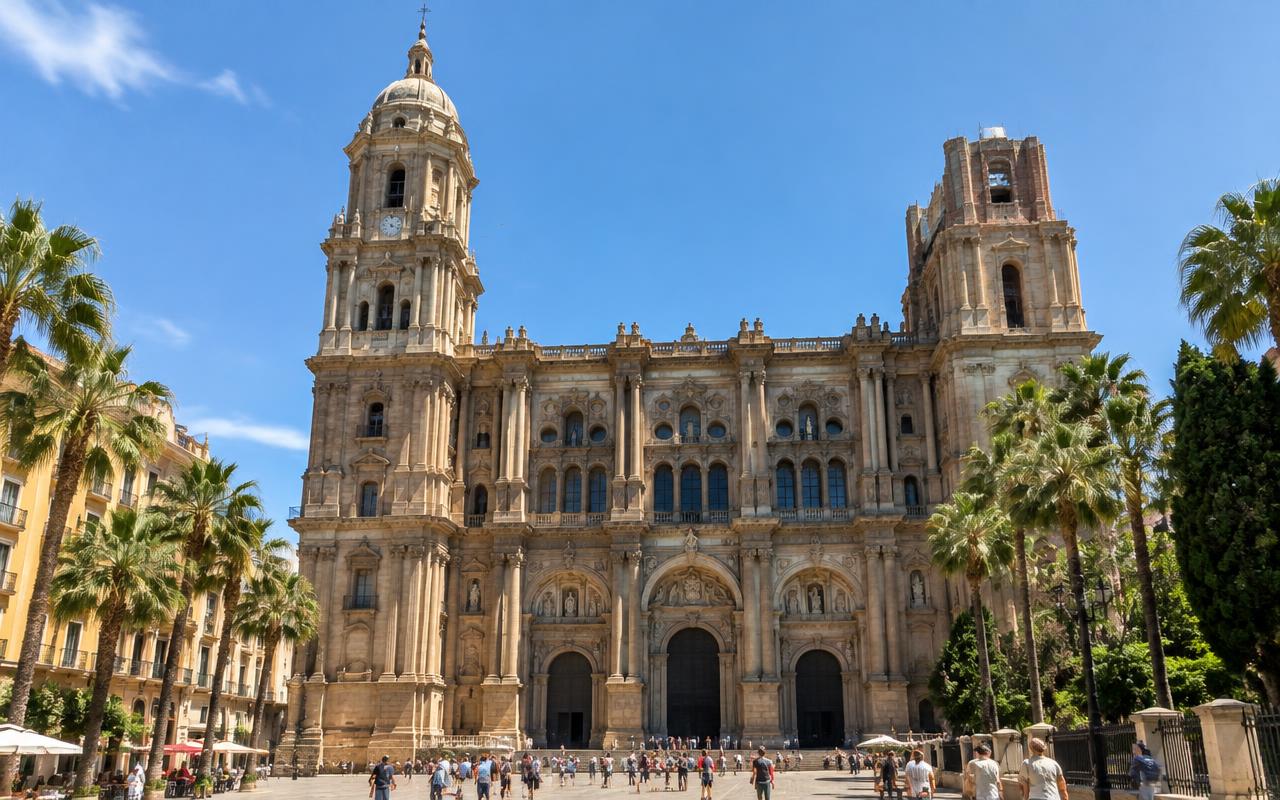
A huge Renaissance cathedral with one tower missing, because, according to tradition, the money was sent to help the American independence. The guided rooftop visit lets you walk on top of the vaults with views of the city.

Price: about €10 (≈ USD 11); rooftop tour separate · Time needed: 1 hour.

Mercado de Atarazanas and Calle Larios — Málaga, Spain

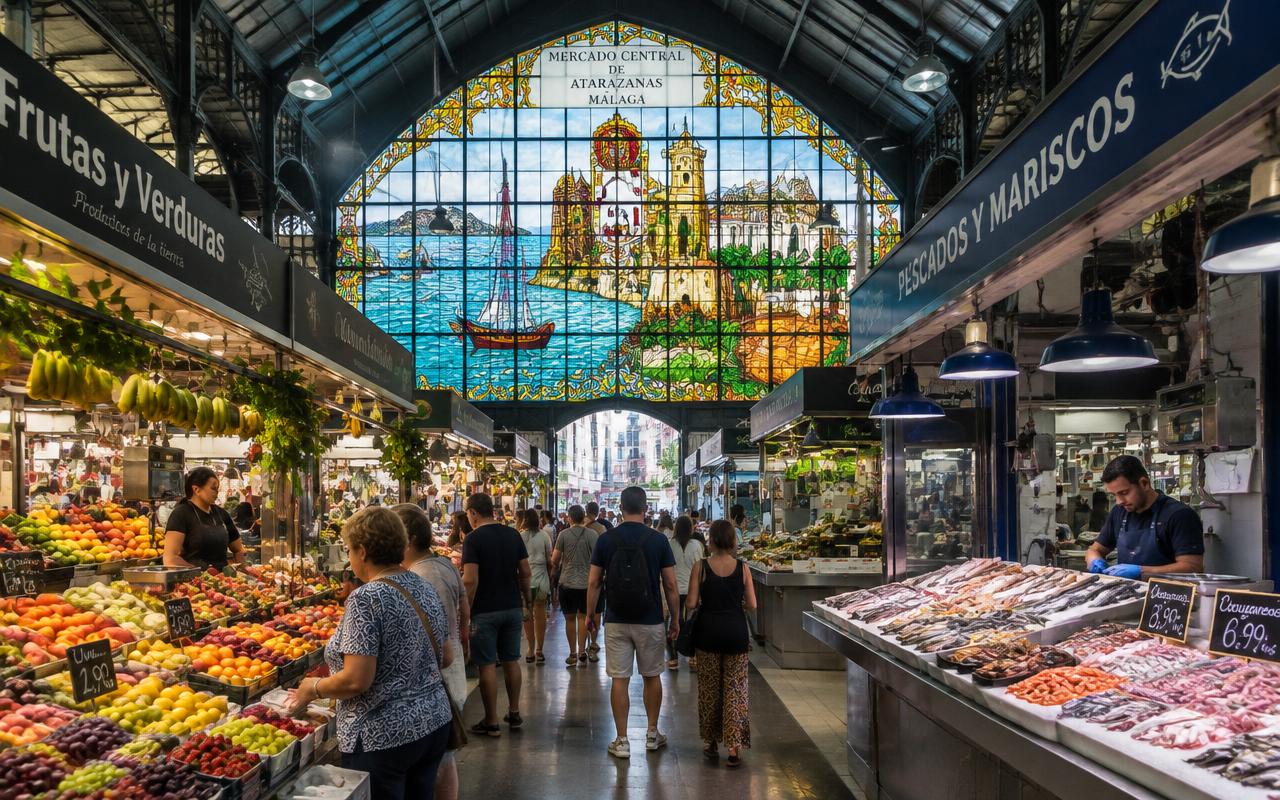
A 19th-century iron market behind an old Moorish shipyard gate, with fish, fruit, olives and small tapas bars. From there, walk Calle Larios, the elegant shopping street, to Plaza de la Constitución.

Price: free · Tip: go before 14:00; the market closes in the afternoon and on Sundays.

Muelle Uno, Centre Pompidou and the beaches — Málaga, Spain

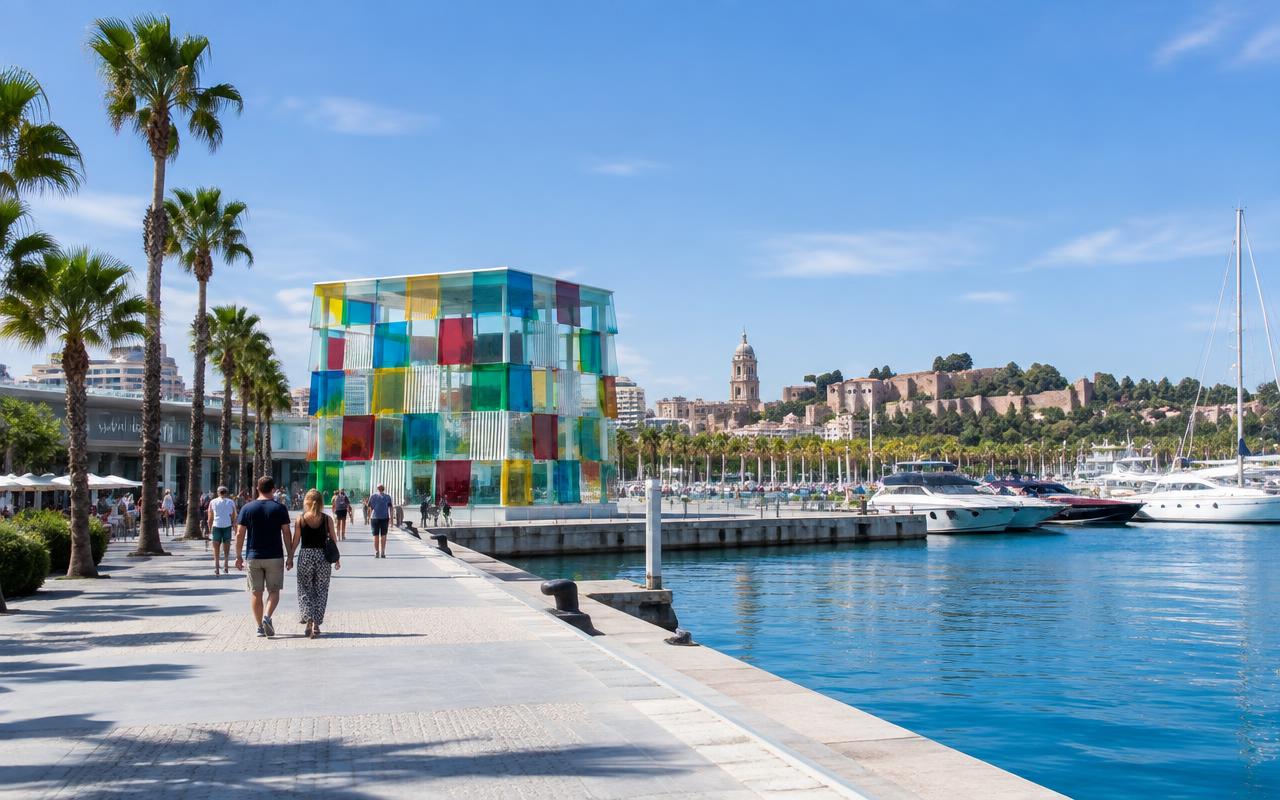
The renewed port has a palm-lined promenade, restaurants and the colourful glass cube of the Centre Pompidou Málaga. Keep walking to La Malagueta beach, and for the best espetos go east to the old fishermen's neighbourhoods of Pedregalejo and El Palo.

Price: promenade and beaches free; Pompidou about €9 (≈ USD 10).

Day trip: Caminito del Rey — Málaga, Spain

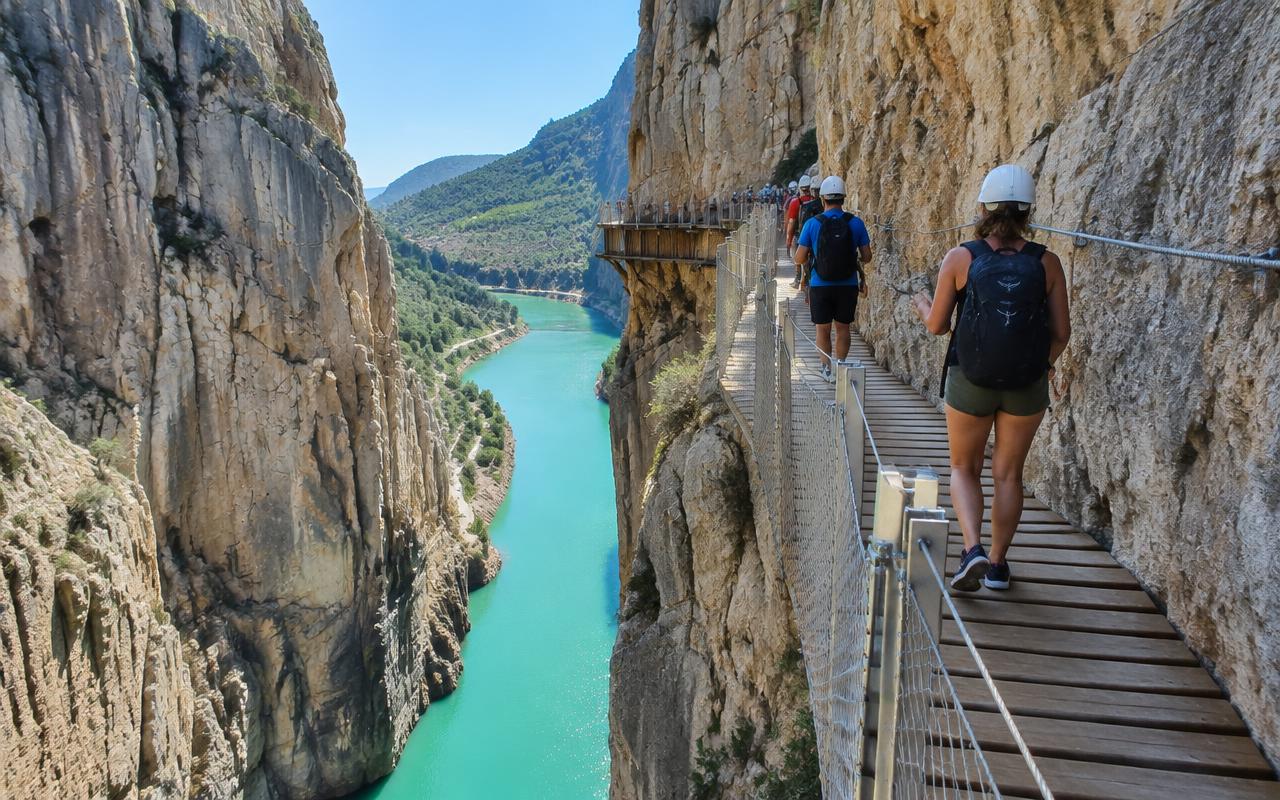
A spectacular path hanging on the walls of the Gaitanes gorge, built in 1905 and reopened in 2015 after a full restoration. The walk is about 7.7 km in total, 3 to 4 hours, with a 2.9 km section of boardwalks.

Price: €10 (≈ USD 11) general, €18 (≈ USD 20) with guide, shuttle bus €2.50 · Tip: book weeks ahead on the official website; children under 8 are not allowed. Trains from Málaga go to El Chorro.

Day trip: Nerja and Frigiliana — Málaga, Spain

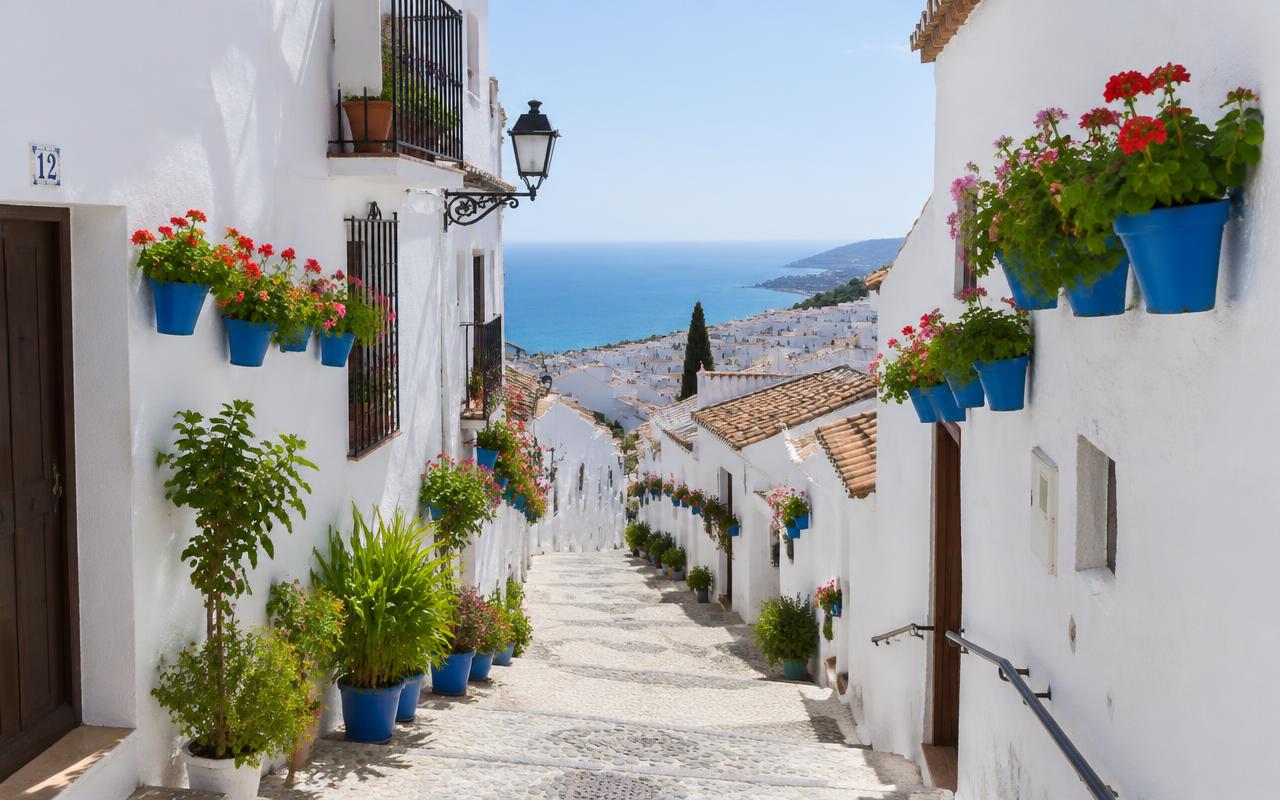
Nerja, 1 hour east by bus, has the Balcón de Europa viewpoint, beaches and the huge Nerja Caves. Frigiliana, 15 minutes above it, is one of the prettiest white villages in Andalucía.

Price: bus about €5 (≈ USD 6) each way; caves extra.

Transit Tips

Getting around

Getting there

  • From the airport: the C1 commuter train goes to Málaga Centro-Alameda in about 12 minutes and costs about €2 (≈ USD 2). The A Express bus runs to the center too, and Uber, Cabify and Bolt pick up at the airport.

  • By high-speed train: from Madrid (about 2 hours 45 minutes), Córdoba (about 1 hour) and Seville (about 2 hours).

  • By bus: to Granada (about 1.5 hours), Nerja and Ronda.

Getting around

  • On foot: the historic center, the port and La Malagueta are all within walking distance.

  • Metro and buses: useful for the train station and the neighbourhoods; pay contactless or with a transport card.

  • Uber, Cabify and Bolt: all work and are easy to find.

Good to know

  • ¶Keep in mind that Holy Week (Semana Santa) and the August Fair are the busiest weeks of the year, with big crowds and much higher prices. Lunch is around 14:00 and dinner after 21:00. Most museums close on Monday except the Picasso Museum.

Helpful Words

Useful words in the local language

A few basics in Spanish can make everyday conversations much easier.

Hola
Hello
Por favor
Please
Gracias
Thank you
Disculpe
Excuse me
¿Cuánto cuesta?
How much is it?
¿Dónde está…?
Where is…?

Where to Stay

Where to Stay

  • Historic center: walking distance to everything; the best choice for a first visit.
  • Soho: artsy neighbourhood with street art, close to the port.
  • La Malagueta: by the beach, 10 minutes from the center.
  • Pedregalejo and El Palo: relaxed fishermen's neighbourhoods with espetos and the sea at your door.

Plan & Book

Browse hotels in Málaga

Explore accommodation options and open hotel details directly from the map.

Affiliate link