Travel Prep & TechAugust 12, 2026·6 min read
What Type of Power Plug Do You Need? Worldwide Plug & Voltage Guide
Avoid fried electronics and dead batteries with this comprehensive international power plug and voltage guide.
Avoid fried electronics and dead batteries with this comprehensive international power plug and voltage guide.

Few things ruin a trip faster than landing in a foreign country only to realize your phone charger cannot plug into the wall outlet, or worse, that the voltage in the room roasts your favorite hair styling tool. Wall outlets, plug shapes, and voltages vary dramatically across regions worldwide.
Electrical outlets across the globe are categorized into letters from Type A through Type N. Knowing which plug style your destination uses is essential for smooth travel.
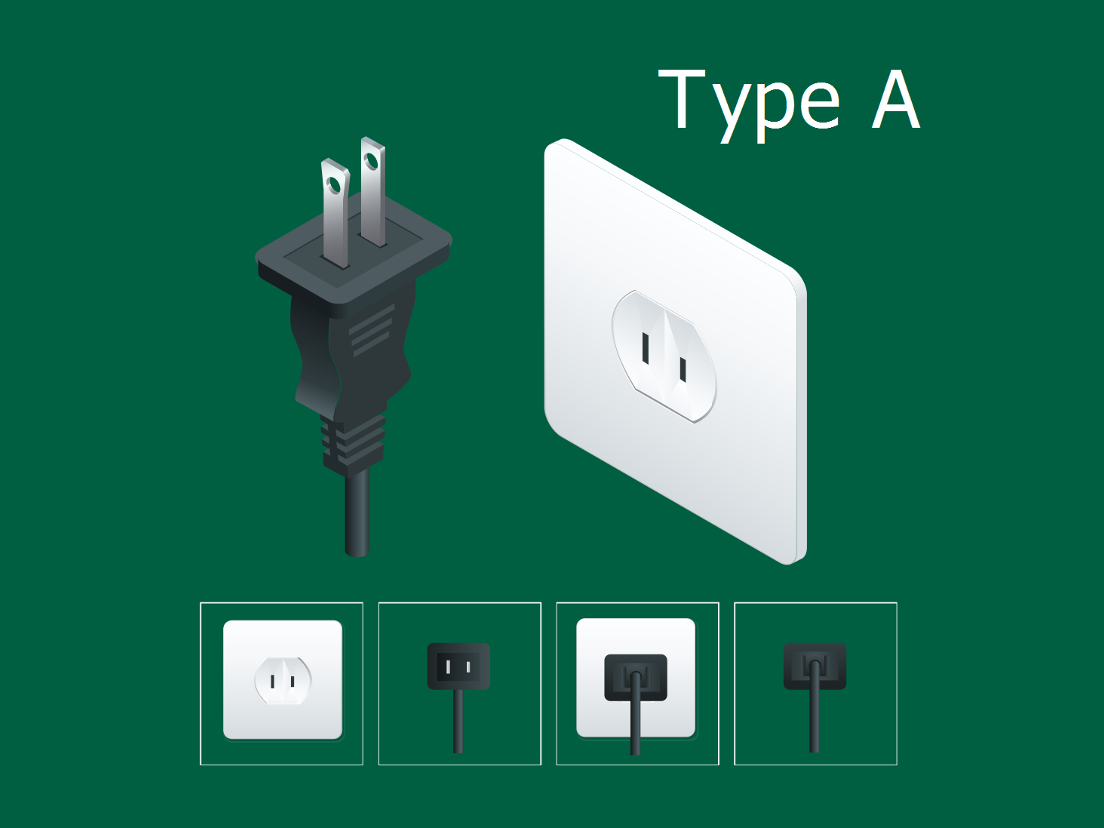
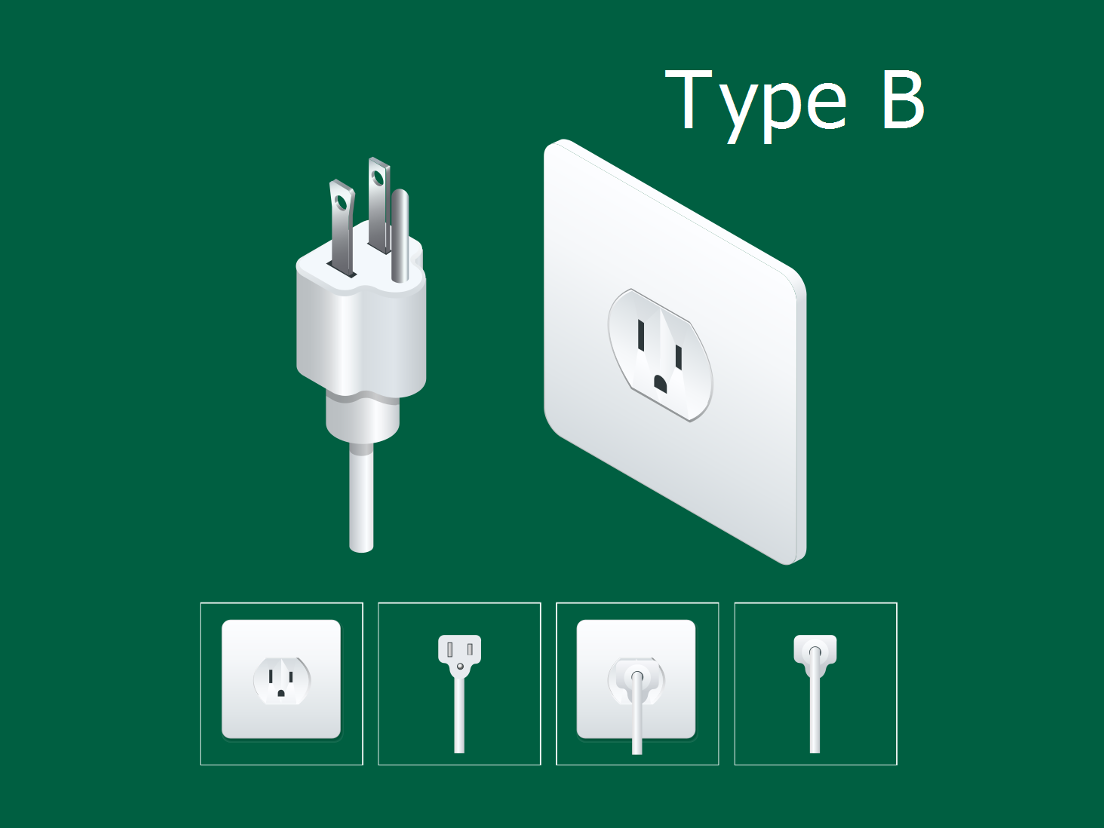
Standard throughout North America, Central America, and parts of the Caribbean. Features two flat parallel pins (Type A) or two flat pins with a round grounding pin (Type B).
Where you will find it: cities like New York City, Dallas, Mexico City, Santo Domingo, and Punta Cana.
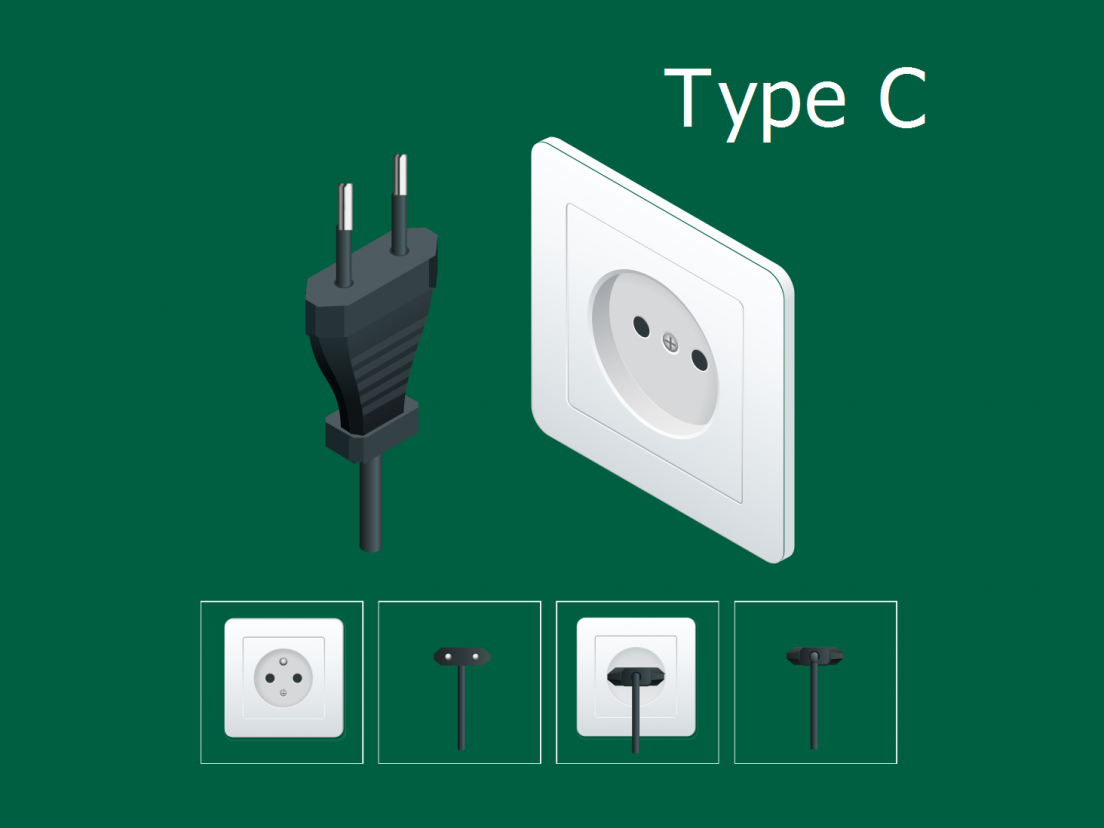
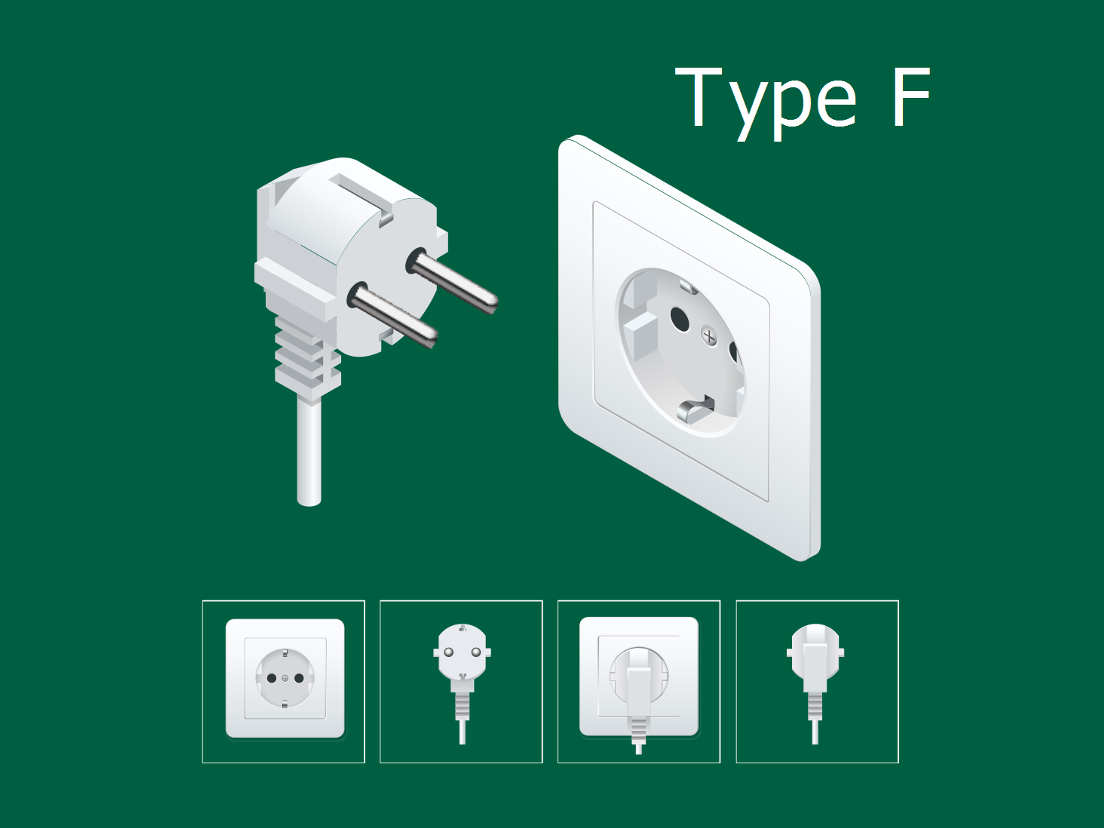
The standard across continental Europe, featuring two round parallel pins.
Where you will find it: cities like Seville, Spain, along with most Western and Eastern European nations.
Unique socket design featuring three round pins arranged in a flattened triangular pattern, or two round pins.
Where you will find it: Brazil, including destinations like Rio de Janeiro and Iguaçu Falls.

Universal hybrid outlets designed to accept both flat parallel blades and round European pins.
Where you will find it: countries like Peru, specifically in cities like Lima.
| Region / City | Plug Type | Voltage / Freq. |
|---|---|---|
| New York City & Dallas | Type A / B | 110V – 120V / 60Hz |
| Mexico City, Mexico | Type A / B | 127V / 60Hz |
| Seville, Spain | Type C / F | 230V / 50Hz |
| Rio de Janeiro, Brazil | Type N / C | 127V / 220V / 60Hz |
| Lima, Peru | Type A / B / C | 220V / 60Hz |
| Santo Domingo & Punta Cana | Type A / B | 110V / 60Hz |
A plug adapter only changes the physical shape of your prongs so they fit into a foreign wall outlet; it does not change the electrical voltage coming out of the wall.
Most modern electronics like smartphones, laptops, camera battery chargers, and tablets are dual-voltage (labeled INPUT: 100-240V, 50/60Hz). These devices only require a simple adapter plug. However, single-voltage heating appliances like curling irons or hair dryers designed for 110V will short-circuit or catch fire if plugged into a 230V European socket without a heavy-duty step-down voltage converter.
Yes, most modern personal electronics like smartphones, laptops, and cameras are dual-voltage (100V-240V) and only require a physical Type C or Type F plug adapter. Always check the fine print on your device's power brick.
A plug adapter alters the shape of your plug prongs to fit foreign wall sockets. A voltage converter changes the electrical voltage flowing from the outlet to match your device's specific voltage requirements.